
Pet product design and development process
Pet product design and development process
Pet product design and development process
Product design and development is progressed through six stages: "Market Research→ Concept Project Initiation → Solution Design → Prototyping and Validation → Design Finalization → Mass Production Introduction. Each stage must be approved before moving on to the next stage.
1. Market research and demand analysis
1.1 Input
Customer inquiries, competitor information, and overseas market trends (such as Amazon Best Sellers, Alibaba International Hot Search Keywords) reported by the business department;
New product directions observed at industry exhibitions (such as Asia Pet Expo, CIPS, Global Pet Expo);
Customer complaint data, return rates, and keywords for negative reviews of existing products.
1.2 Output
"Market Research Report": Includes target categories, price ranges, competitor materials/sizes/packaging, target customers (supermarkets/e-commerce/brand owners);
Preliminary BOM estimate and target cost range.
2. Concept design and project initiation review
Based on the research results, the R&D department produces 2–3 conceptual solutions, including product renderings, material selection (such as short plush material, ABS, PVC, resin, bamboo), color schemes, dimensional gradients (S/M/L/XL), and estimated prices. Joint evaluation by R&D, business, procurement, and quality is conducted, and after project approval, a "Design and Development Task Book" is issued.
3. Detailed design and BOM preparation
Output official 2D/3D drawings, tool pattern drawings, process sheets, and color codes (Pantone number);
Prepare a BOM (Bill of Materials), specifying the material specifications, weight, and supplier recommendations for each component;
Determine the packaging method (OPP bag / paper box / color box), outer box dimensions, markings, and net gross weight per item.
4. Sampling and sample review
Samples must be internally reviewed by the R&D department and sent by the business department to the customer for confirmation. The customer signs and returns the "Sample Confirmation Form" before entering mass production.
2. Design finalization and mass production implementation
Archive final drawings, BOM, process sheets, packaging drafts, sample photos;
The Purchasing Department initiates raw material sourcing and supplier identification based on the BOM;
The Quality Department formulates the "Finished Product Inspection Specification" and AQL sampling plan based on finished product standards;
The R&D department follows up on the first batch of production, handling first-piece abnormalities.
Pet manufacturing process
Production and manufacturing are divided into two models: in-house production and outsourced production. Regardless of the model, the process must follow a closed-loop process: "Order review→ Material preparation → First Piece Confirmation→ mass production, → process inspection→ finished product inspection→ packaging and warehousing."
1. Order review
After receiving the order, the sales department organizes R&D, procurement, production, and quality reviews to confirm price, delivery time, quantity, customization requirements (logo/packaging/pattern MOQ is usually 500–1000 pieces), and special testing requirements. After passing the review, a "Production Notice" is issued.
2 Material Preparation and Incoming Inspection (IQC)
All raw materials must be accompanied by the supplier's factory inspection report; Materials deemed unqualified by IQC shall be marked in red and stored separately, and the procurement department shall notify suppliers to return, exchange, or select.
3 Main production processes
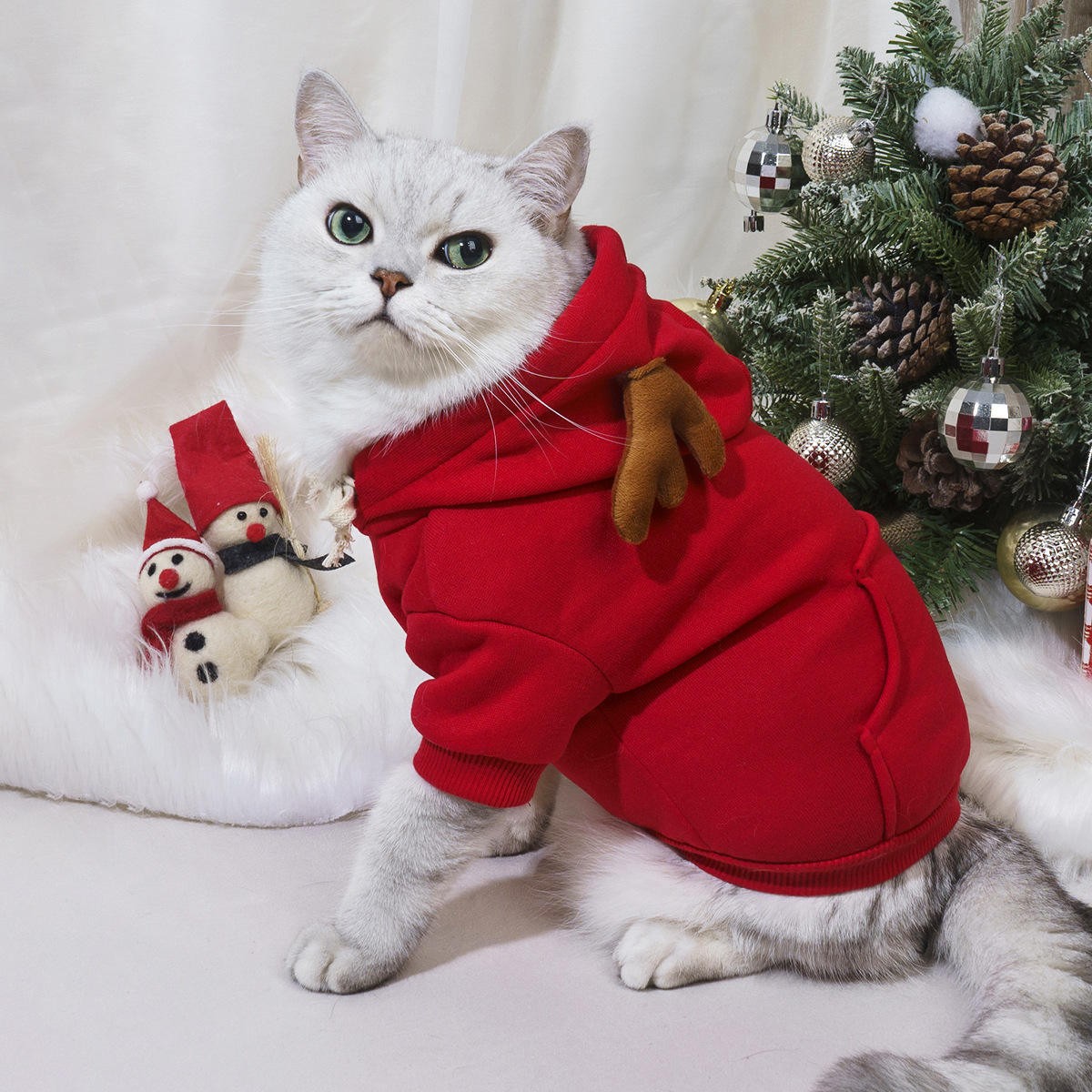
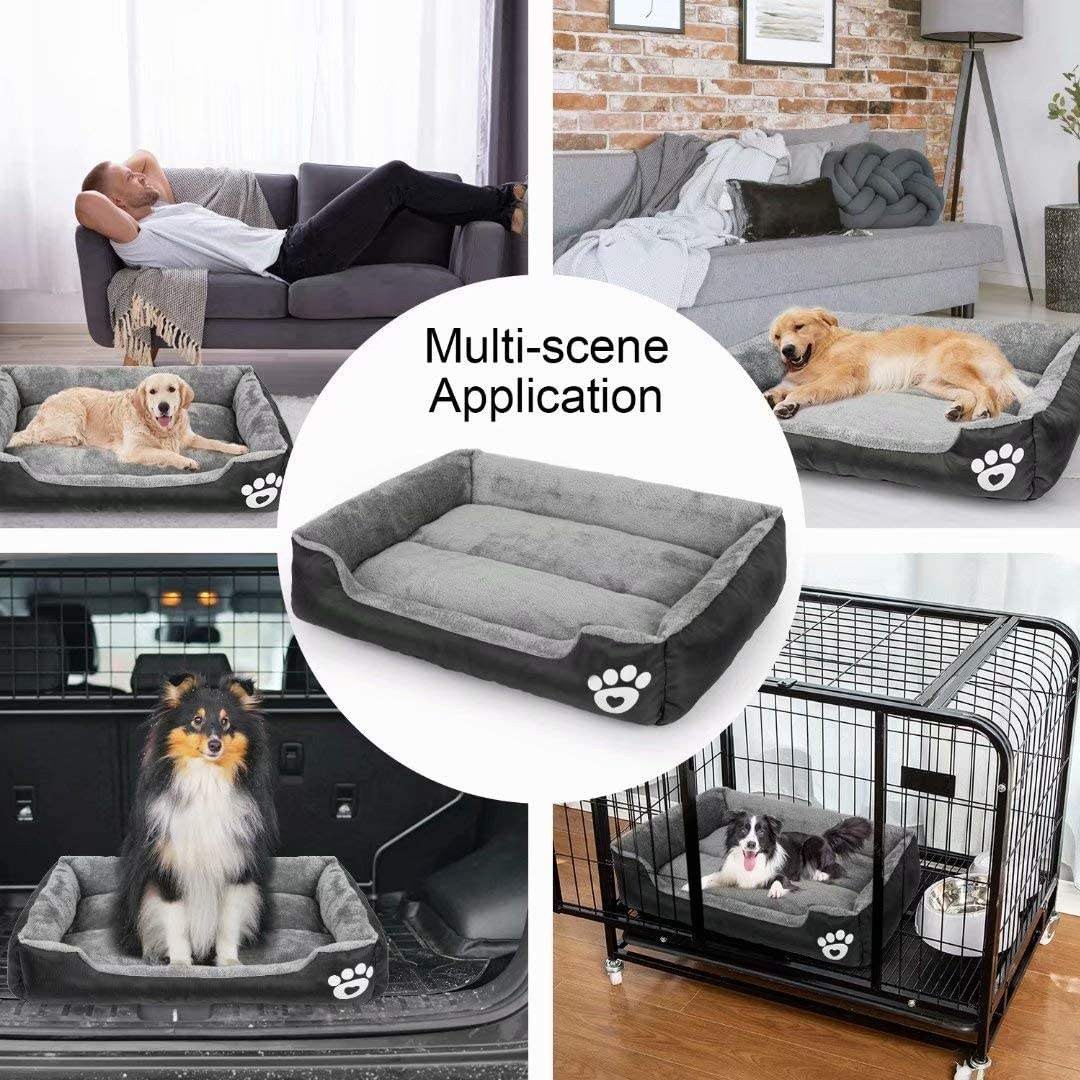
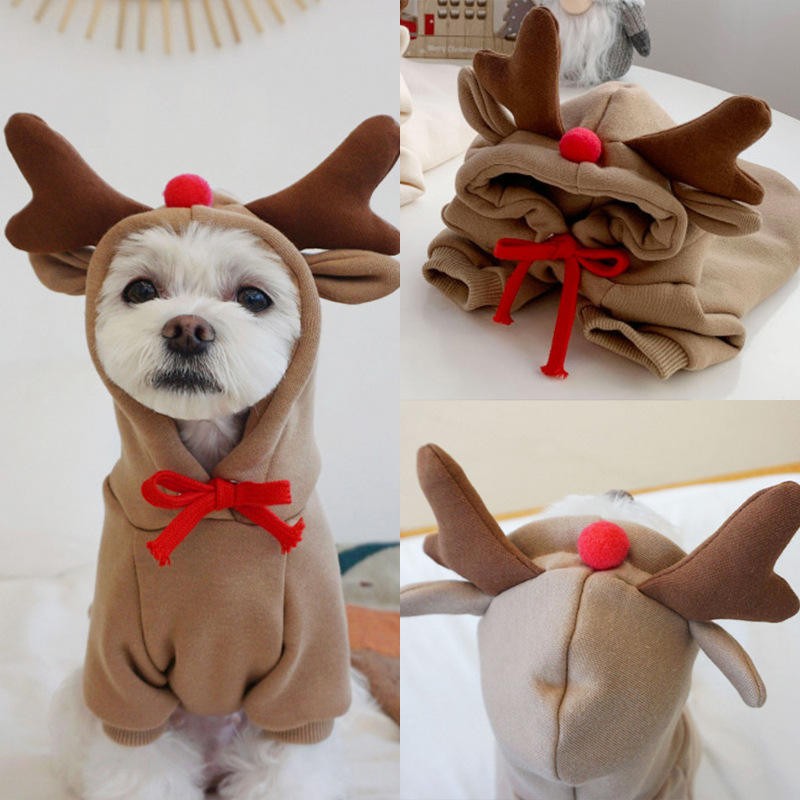
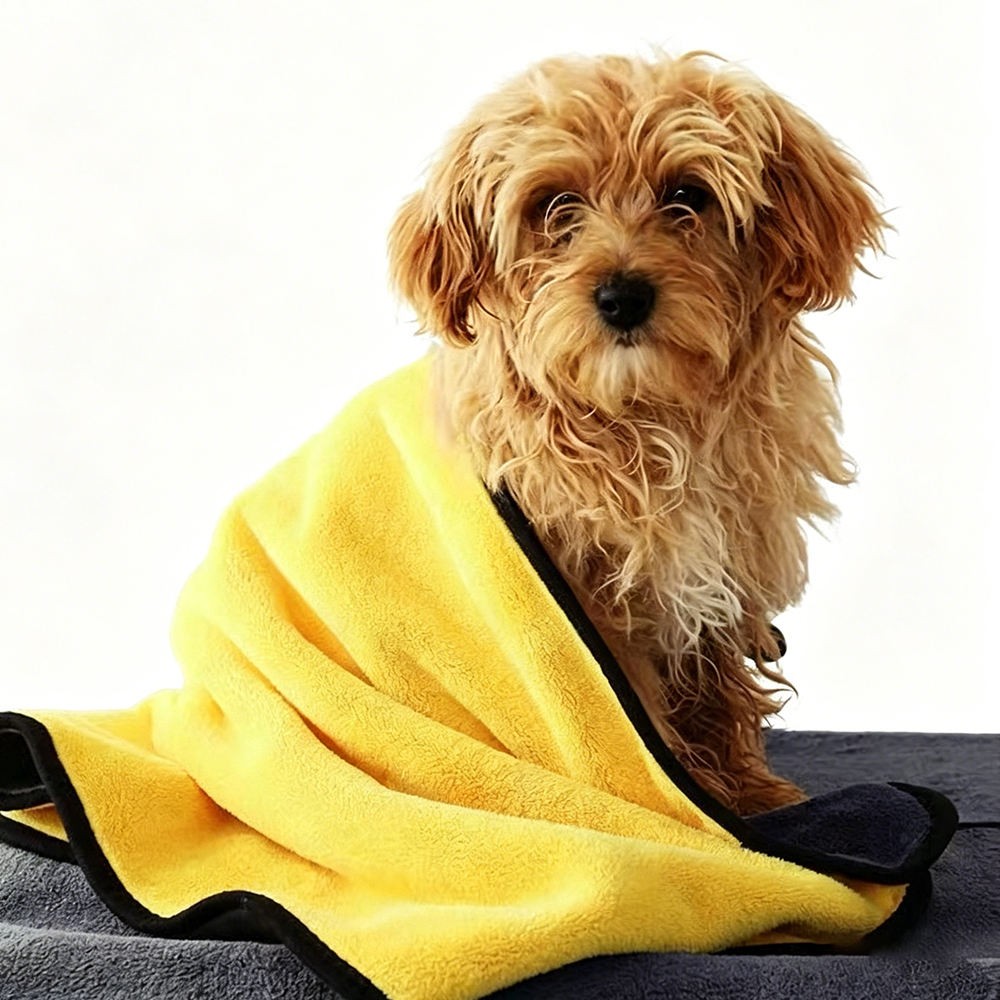
3.1 纺织类(毛巾、宠物窝、服饰、玩具)
Fabric cutting (cutting by cutting machine and mold), → printing/embroidery, → sewing, →, cotton filling, → sealing, →, ironing, → trimming, → comprehensive appearance inspection, → packaging.
3.2 Plastic Items (Water Dispensers, Swimming Pools, Travel Bags)
Injection molding/blow molding → trimming → assembly (valves, filter cartridges, snaps) → sealing testing → aging testing → packaging.
3.3 Resin Ornaments
Grouting → Demolding → Blank Dressing → Sanding → Painting/Hand-painting → Drying → Inspection → Packaging.
3.4 Bamboo/Wood
Material selection → cutting → forming → sanding → painting/carbonization → drying → folding structure testing → packaging.
4. First Document Confirmation
For each batch of first-piece products produced in bulk, the production supervisor, IPQC, and R&D specialist must jointly confirm that the size, color, craftsmanship, and logo position match the PP sample before proceeding with mass production.
5 Process Inspection (IPQC)
Conduct random inspections every 2 hours, focusing on stitch spacing, stitch fastness, fullness of filling, assembly gaps, and printing position;
If three consecutive defective cases of the same type are found, immediately stop the line for rectification;
Fill out the "IPQC Inspection Record Form," recording the types, quantities, and rework methods of defects.
6 Finished Product Inspection (FQC)
After 100% complete appearance inspection of finished products, sampling is conducted according to AQL 2.5 General Inspection Level II. Inspection items include:
7. Shipment Inspection (OQC) and warehousing
After FQC passes, OQC sampliers the outer carton, marks, and quantity according to AQL 2.5 after packing is completed, and verifies the customer's required test report (such as BSCI/SEDEX certificate, third-party inspection report). After passing, a qualified label is affixed and arranged for warehousing or direct container loading.
Pet price inquiry, price comparison, and contract signing
1. Inquiry
For the same material, quotes must be inquired from at least three qualified suppliers. Complete drawings, BOM, quantity, packaging requirements, and destination port (e.g., shipment from Shanghai/Ningbo ports) must be provided during the inquiry, avoiding "verbal inquiries and post-price markups."
2. Price comparison factors
3. Essential contract clauses
Product name, specifications, material, color, quantity, unit price, total amount;
Penalty for delivery and delay (usually 0.5% per day);
Quality standards (based on PP samples and the "Finished Product Inspection Specification");
Intellectual property terms: mold ownership, no supply to third parties, confidentiality obligations;
Payment methods, invoice types, dispute resolution methods.
4. Bulk purchasing and delivery tracking
After signing the contract, a deposit is paid. The purchasing department establishes an "Order Tracking Form" and updates weekly updates on sampling, raw material arrival, production progress, quality inspection, and packing progress;
When mass production reaches 30%, 50%, or 80% of the time, IPQC or third-party inspection companies (such as SGS, BV, TÜV) will be stationed at the factory or conduct mid-term inspections;
Verify the shipping schedule, customs declaration documents, certificate of origin, and test report 7 days before shipment;
After arrival at the port, we track customer feedback on receiving goods and initiate the complaint process within 48 hours of abnormalities.
5. Contact us
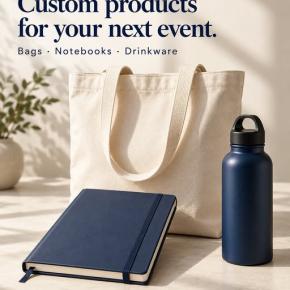
Whether it's a full set of materials for a thousand-person marathon or 500 custom thermos cups urgently restocked before Christmas, we have a corresponding solution.
官网:https://www.shsandi.com/
Inquiry Email: Get the latest contact email via the official website contact form
Response time: Inquiry response within 12 hours, quotation issued within 1 working day
The Christmas season is tight, so we welcome you to contact us early to secure production lines and space.
INQUIRY


CATEGORIES
LATEST NEWS
CONTACT US
Contact: Andy Fan
Phone: +86 152 2108 6816
E-mail: sales@shsandi.com
Whatsapp:8615221086816
Add: Building 6, NO.2500 Xiupu Rd, Kangqiao Industrial Park, Shanghai | P. 201315
